What Is Hemp Cream Used For? 2026 Topical Hemp Use Guide
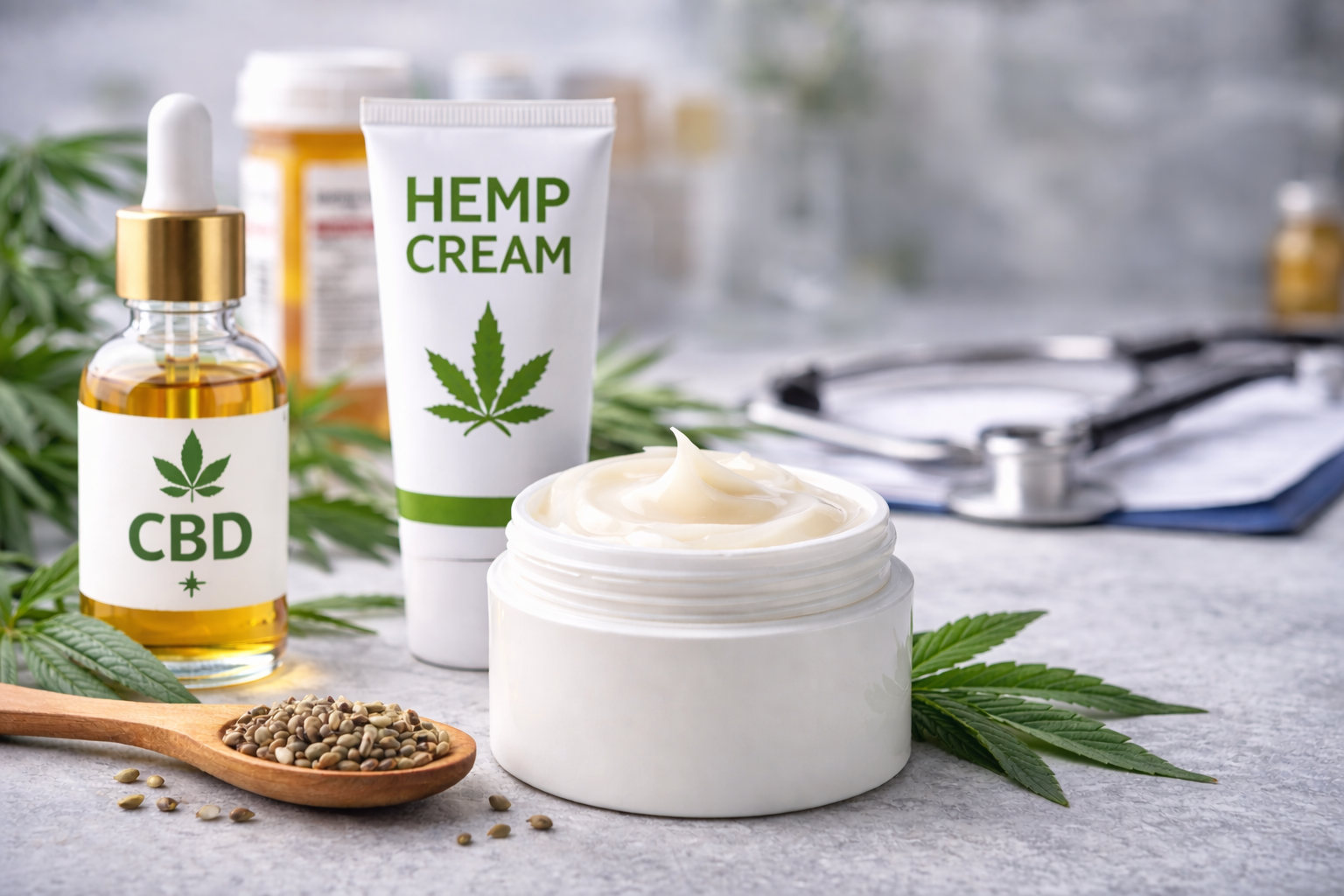
Hemp cream sits in a confusing corner of the cannabis world: it looks like a “cannabinoid” product, but many hemp creams are actually built around hemp seed oil (not a high-cannabinoid extract).
In this guide, we’ll explain:
What hemp cream is
What people typically use it for
How it differs from CBD topicals and CBD oil creams
How to choose a topical that matches your goals
This content is educational and not medical advice. For medical conditions, speak with a qualified clinician.
Hemp Cream Uses & Benefits
People use topical hemp creams for two broad reasons: skin health and comfort support (often framed as pain relief, joint pain, or post-activity muscle recovery).
Hemp Cream for Dryness and Everyday Skin Conditions
Many hemp creams are moisturizers first. They’re commonly used for:
dryness and ultra-dry hands
rough patches (elbows, knees) and cracked-feeling areas
seasonal “winter skin” routines
general skin health support (softness, barrier comfort)
Hemp Body Butter, Hemp Hand Protector, Hemp Foot Protector
If you see product-style naming (e.g., Hemp Body Butter, Hemp Hand Protector, Hemp Foot Protector), you’re usually looking at a cosmetics-forward cream designed for moisture and texture—not a cannabinoid-heavy topical.
Hemp Cream for Muscles, Mobility, and Daily Comfort
Some people reach for hemp creams as a massage cream after workouts or long days on their feet, especially when they’re thinking about:
tired muscles
flexibility and mobility
stiffness around joints
general “comfort” during busy weeks
These products often include sensory ingredients that create a cooling/warming feel, like winter green, camphor oil, or botanicals like arnica and turmeric for an aromatic, spa-like application experience.
Is Hemp Oil the Same as CBD Oil?
What Are Hemp Topicals Made of?
“Hemp cream” can mean different products:
Hemp seed oil cream (most common)
Hemp extract topical (may include phytocannabinoids)
CBD topical or topical cannabidiol (explicit CBD content)
Full-spectrum cannabinoid topical (broader cannabinoid content, sometimes marketed with an “entourage effect” narrative)
Hemp Seed Oil
Hemp seed oil is pressed from hemp seeds. It’s widely used in cosmetics as an emollient oil—helping soften and condition skin. Importantly, hemp seed oil is not the same as a cannabinoid-rich extract from the flowers.
Hemp Extract
When a label mentions Cannabidiol, “CBD,” “Full Spectrum CBD,” “broad spectrum hemp,” or cannabinoid amounts, it’s no longer just a seed-oil moisturizer—it’s a cannabinoid topical.
Full-Spectrum Hemp Extract and the Entourage Effect
Some products use “full spectrum hemp extract” to imply multiple compounds (cannabinoids, terpenes, flavonoids) working together (often called the entourage effect). This is a marketing-heavy area, so the practical selection rule is: verify the label, confirm cannabinoid amounts, and choose based on your comfort and documentation needs.
Hemp Cream vs CBD Cream: What’s the Difference?
Hemp cream often means hemp seed oil + moisturizing cosmetic ingredients.
CBD cream means the formula is intended to contain measurable Cannabidiol (CBD), sometimes alongside other cannabinoids.
If you’re expecting a cannabinoid-driven topical experience but you buy a seed-oil moisturizer, you may be disappointed. If you want a straightforward moisturizer for dryness, hemp seed oil cream may be exactly what you want.
What Can You Use Hemp Cream For
Skincare Routine Support
daily moisturizing (hands, body, feet)
post-shower hydration
barrier comfort during cold weather
soothing-feeling care for rough patches
Massage and Post-Activity Routines
massage into shoulders, calves, hands, or knees
relaxing nighttime routines (some people pair massage with better sleep habits, even if the cream itself isn’t a sleep product)
comfort rituals around flexibility and movement
People often apply hemp creams around knees, wrists, hands, and other areas associated with joint pain or exercise soreness.
How to Use Hemp Cream Safely and Effectively
Start with the Basics
Apply to clean, dry skin
Use a small amount and increase as needed
Avoid eyes and mucous membranes
Wash hands after applying if you used strong botanicals (wintergreen/camphor)
Patch Test First
If you have reactive skin, test on a small area for 24 hours before broader use—especially if the product contains essential oils, botanicals, or fragrance.
Choosing a Hemp Cream: What to Look For
Check What “Hemp” Means on the Label
If it’s hemp seed oil, think “moisturizer + skin feel.”
If it’s hemp extract with phytocannabinoids, confirm cannabinoid content.
If it’s Full Spectrum CBD, confirm amounts and testing.
Scan the Ingredient List for Your Goal
Moisture support: cocoa butter, grapeseed oil, humectants
Massage feel: arnica, wintergreen, camphor
Skin-barrier friendliness: fewer irritants, simple formulas
Hemp Topical Regulations and Medical Access in Canada
If you’re exploring hemp for health concerns, the medical stream can offer clearer product standards, consistent labeling expectations, and a regulated purchase pathway compared to random “hemp cream” listings in the broader cosmetics market.
Topical hemp products live at the intersection of cosmetics and cannabis policy. In Canada, if you’re using cannabis-derived products for legitimate health concerns and you want the clearest documentation path, the medical channel matters.
Medical Cannabis Access in Canada
The standard pathway is:
Talk to a healthcare practitioner and obtain a medical document if appropriate
Register with a federally regulated medical cannabis seller/producer
Purchase products through that medical stream (where documentation and accountability are clearer than much of the general “wellness” market)
Greyscales is an education hub, and we also reference medical access options like Flodega as a licensed medical channel for eligible Canadians who have the proper documentation.
Request a Medical Cannabis Prescription
Using Hemp Cream | FAQs
-
Hemp cream is most commonly used for skin moisturization and comfort. People apply it to support dryness, rough patches, and everyday skin softness, and some use it as a massage cream for muscles or joints. Effects depend on ingredients and formula type.
-
Description text goes hereNo. Hemp cream often means hemp seed oil plus moisturizing cosmetic ingredients. CBD cream contains measurable cannabidiol (CBD) and sometimes other cannabinoids. If a label lists CBD content or “full spectrum,” it’s closer to a cannabinoid topical than a seed-oil moisturizer.
-
Many hemp creams contain little to no cannabinoids if they’re made primarily with hemp seed oil. If the product uses hemp extract, phytocannabinoids, or lists cannabidiol (CBD) and milligram amounts, it’s designed as a cannabinoid topical.
-
Hemp seed oil cream is used mainly for skin conditioning and hydration. It’s often chosen for dryness, ultra-dry hands, and seasonal “winter skin” routines because hemp seed oil works like an emollient that helps soften and smooth the skin barrier.
-
Full-spectrum hemp extract usually refers to a broader mix of plant compounds, such as cannabinoids, terpenes, and flavonoids. It’s often marketed around the “entourage effect.” The practical step is verifying cannabinoid amounts and product testing, not just the label.