CBD Products & Drug Testing: Does CBD Show Up in a Drug Test?
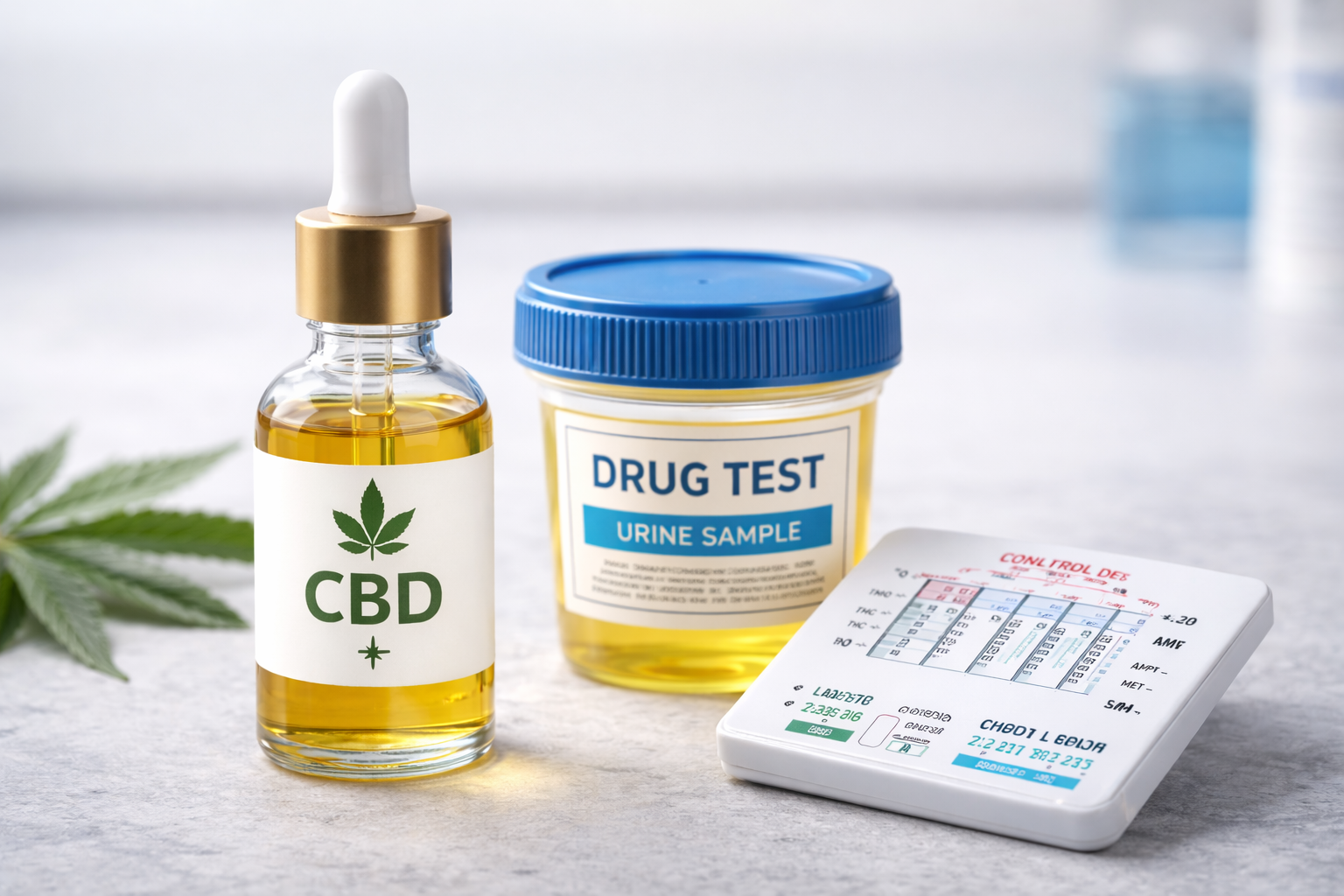
CBD can feel like the “safe” cannabinoid—especially if you’re using it for wellness or medical reasons. But if you’re facing workplace drug testing, a pre-employment urine test, or a drug and alcohol testing program, it’s smart to understand what labs actually screen for.
In this guide, we’ll break down how urine, hair, oral fluid, and blood tests work, how isolate vs broad-spectrum vs full-spectrum changes your risk, and how Canadians can access consistently documented medical CBD through licensed sellers like Flodega.
This article is for general educational purposes only and is not medical, legal, or employment advice. Drug testing rules and interpretations vary by program and workplace. Always follow your employer’s policy and speak with a qualified healthcare professional for personal guidance.
Will Lab Tests Detect Marijuana from CBD?
Most drug tests for cannabis are designed to detect tetrahydrocannabinol (Δ9-THC / delta-9-tetrahydrocannabinol) and its metabolites, especially THC-COOH in urine—not CBD itself. (PubMed)
If you’re using CBD products and you’re facing drug testing for work, sports, or a drug and alcohol testing program, the real question usually isn’t “Will labs detect cannabidiol?”—it’s whether THC exposure from your CBD product can trigger a positive result.
How Much CBD to Start for Anxiety?
CBD Drug Tests Explained: Urine Test, Hair Test, Oral Fluid & Blood Tests
CBD itself usually isn’t the analyte of interest. THC exposure is. Your risk depends on product type (isolate vs full spectrum), THC content, frequency, metabolism, and the specific drug screening rules in play.
Urine Drug Tests
A urine test is the most common for cannabinoids. It typically targets THC-COOH (a key cannabis metabolite) rather than CBD.
Blood and Hair Tests
A hair test (including follicle testing) can capture longer windows, but is less common for routine employment screening in many contexts and can be costlier. Hair testing can also be sensitive to external contamination and lab methodology.
Oral Fluid Tests (Mouth Swab Drug Test)
Oral fluid tests (a mouth swab drug test) are more focused on recent exposure. If you’ve used vaporized and oral Cannabidiol products that contain trace THC, oral fluid can still raise questions—especially in safety-sensitive settings.
Blood Tests
Blood tests are more likely in impairment investigations and certain clinical contexts. The metabolite pattern differs from urine, and interpretation can be complex.
When Does Cannabidiol Show Up in a Drug Test?
Cannabidiol (CBD) shouldn’t show up on a drug test designed for marijuana—because most tests target THC metabolites, not CBD.
However, CBD use can still be linked to a positive cannabis result when:
The product is Full-Spectrum CBD (contains THC)
The product is labeled “THC-free” but has been mislabeled
There’s cross-contamination in hemp production or manufacturing
THC accumulates with frequent use (higher dose, higher frequency, slower metabolism)
Many CBD-related positives are actually true positives for THC-COOH—meaning THC exposure occurred, even if unintentionally, through a CBD product.
CBD Isolate vs Broad-Spectrum vs Full-Spectrum
CBD Isolate
CBD isolate is intended to be primarily cannabidiol with minimal other cannabinoids. It’s often the lowest risk category for THC exposure—but only if it’s genuinely lab-tested and clean.
Broad-spectrum CBD
Broad-spectrum CBD usually means multiple cannabinoids/terpenes, but with THC removed to a certain threshold (depending on brand and processing). That can reduce risk, but doesn’t eliminate it if the product is poorly controlled or mislabeled.
Full-spectrum CBD
Full-spectrum CBD extracts and other full-spectrum products are where “trace THC” becomes a practical issue. Even small Δ9-THC amounts can add up depending on:
dose and frequency,
metabolic rate,
administration route (oil, edible, inhaled),
individual metabolism and body composition.
If a negative cannabis test is mission-critical (new job, safety-sensitive role, pre-employment), full-spectrum CBD is the highest-risk category.
Choosing the Best CBD Products When You’re Being Drug Tested
1. Pick CBD Isolate: The Lowest-Risk CBD Product Type
A true CBD isolate product is intended to contain cannabinoids that are primarily cannabidiol, without the tetrahydrocannabinol (Δ9-THC / delta-9-tetrahydrocannabinol). It’s typically the best starting point when a negative urine test matters.
2. Always Verify with a Certificate of Analysis (COA)
When you’re choosing between CBD products, the most important quality filter is documentation:
Certificate of Analysis (COA) that matches your exact batch/lot
THC reporting that’s clear (look specifically for Δ9-THC / Δ9-tetrahydrocannabinol, and “THC” lines—not just “total cannabinoids”)
A credible third-party laboratory (not vague “in-house” claims)
“Lab-tested” should be supported by actual lab tests, not just marketing
This matters because mislabeling and cross-contamination are common reasons people end up with unexpected THC exposure from “THC-free” products.
3. Consider Route of Administration (CBD Oil, Edibles, and Topicals)
CBD oil and CBD edibles (food and beverage products) are often used daily and can increase cumulative exposure if THC is present—even at low levels.
CBD topicals (creams, lotions, balms) are often of lower concern for urine THC metabolites, but still require a COA because cross-contamination can complicate the picture depending on formulation and labeling.
The best way to access certified, consistently lab-tested CBD products for legitimate health concerns is usually through the medical channel—not the general retail market. In Canada, that means getting a medical document from a healthcare practitioner and registering with a federally licensed medical seller/producer (for example, licensed services like Flodega), so you’re buying within a regulated framework with clearer documentation and accountability than many over-the-counter CBD products.
Medical CBD in Canada: Step-by-Step Access Through the Medical Channel
If you want the most reliable route to certified, consistently documented CBD products for health concerns, the best path is Canada’s medical cannabis access stream:
Step 1: Talk to a Doctor or Nurse Practitioner
Book an appointment and discuss your situation. If medical cannabis (including CBD-dominant products) is appropriate, the clinician can issue a medical document (Canada’s “medical marijuana card” equivalent).
Step 2: Choose a Federally Licensed Seller
Next, you register with a licence holder authorized to sell for medical purposes. You must complete the seller’s registration form and submit your medical document. For example, Flodega is a “Licensed Medical Cannabis Dispensary” serving patients across Canada with registration and delivery.
Step 3: Place Your Order and Keep Your Documentation
Once registered, you can order through the licensed medical platform.
Remember to keep:
your registration confirmation
your medical document details
product batch info and any available Certificate of Analysis (COA) / lab documentation (when provided)
If your priority is CBD products while being drug tested, ask the medical seller for CBD isolate/CBD-dominant options with minimal THC and clear documentation—because most drug screens flag THC metabolites, not CBD.
CBD Products & Drug Testing | FAQs
-
Most drug tests don’t look for CBD (cannabidiol). They mainly screen for THC and THC metabolites—especially THC-COOH in urine. CBD becomes a problem when your product contains trace THC or is mislabeled, which can trigger a positive result.
-
CBD itself usually won’t cause a fail. The risk comes from THC exposure through full-spectrum products, contamination, or inaccurate labels. If THC enters your system, your body can produce THC-COOH, which is what many urine drug tests detect.
-
THC-COOH is a THC metabolite commonly targeted in urine screening. Even if you don’t feel “high,” THC exposure from a CBD product can lead to THC-COOH in your urine. Many “CBD-related positives” are true positives for THC metabolites.
-
CBD oil and edibles are commonly used daily and can increase cumulative THC exposure if trace THC is present. Topicals (creams, lotions, balms) are often of lower concern for urine THC metabolites, but still require a COA and clean manufacturing.
-
Oral fluid tests focus on more recent exposure. If your CBD product contains THC (especially vaporized or full-spectrum products), oral fluid testing may detect cannabinoids closer to the time of use. Confirmatory testing and program rules vary by employer.