How to Take Cannabis Oil | 5 Core Consumption Methods
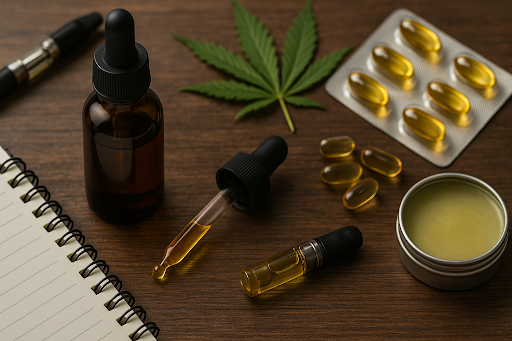
At GreyScales, we aim to make cannabis consumption understandable, measured, and responsible. If you’re new to cannabis oil and feeling lost on dose, dosage, or the safest administration methods, you've come to the right place. In this article, we'll explain how to take cannabis oil safely, how different methods affect your body, and how medical cannabis access works in Canada for people who need regulated medicinal cannabis oil.
Disclaimer: The information provided in this content is for informational purposes; nothing here is personal medical advice. For specific conditions (like epilepsy, Dravet syndrome, Lennox-Gastaut syndrome, PTSD, chronic pain, cancer, or complex medications), you should work with a clinician.
What Exactly Is Cannabis Oil?
When people say “cannabis oil”, they’re not always talking about the same thing. It simply means an oil that contains cannabinoids (like THC or CBD) from the cannabis plant, mixed into a carrier oil (such as MCT or hemp seed oil). How you take cannabis oil safely depends a lot on which kind you’re using.
Here are the main types in plain language:
THC oil
Made to be rich in THC (the main psychoactive cannabinoid).
More likely to cause intoxication or a “high,” and needs very careful dosing.
CBD oil
Contains cannabidiol (CBD) with little or no THC.
Used by people who want potential effects from CBD without feeling stoned.
Balanced oil
Has a mix of THC and CBD.
The CBD can “buffer” some THC effects, but it can still be impairing.
Full-spectrum cannabis oil
Includes multiple cannabinoids, plus terpenes and other natural plant compounds.
Many people choose this for the potential “entourage effect”—the idea that these compounds may work better together than alone.
Isolate-based oil
Contains a single purified compound, like pure CBD isolate, with other cannabinoids removed.
No entourage effect, but very precise and simple to understand: one main active ingredient.
Knowing which of these you’re holding in your hand is the first step in deciding how to take cannabis oil safely, how much to use, and what kind of effects to expect. For medical cannabis in Canada, that decision also has to go through the medical system: a healthcare professional issues a medical document, you register with a Health Canada–licensed seller, and you receive standardized, lab-tested oils from licensed producers rather than unregulated products.
What Conditions Is Cannabis Oil Commonly Used For?
In medical contexts, clinicians may consider THC, CBD, or balanced oils as part of a treatment plan for:
Chronic pain and arthritis – especially when other options haven’t worked or cause difficult side effects.
Cancer-related symptoms – such as nausea, vomiting, appetite loss, and some forms of pain in palliative or oncology care.
Certain seizure disorders – including severe, treatment-resistant epilepsies where regulated CBD products are used under specialist supervision.
Multiple sclerosis–related muscle spasms and mobility issues – where cannabinoid products may be added alongside other therapies.
Sleep problems and anxiety-related symptoms – in carefully monitored cases, often at low and slowly titrated doses.
These uses always belong in a doctor–patient conversation, with a formal medical document, proper follow-up, and Health Canada–regulated products—not over-the-counter oils or unverified online “miracle” cures.
Best Weed for Anxiety: CBD, Low-THC & Medical Cannabis Explained
How to Take Cannabis Oil: 5 Core Administration Methods
1. Sublingual & Buccal Consumption
Sublingual consumption = placing oil under the tongue;
Buccal consumption = holding it against the cheek.
Both use the mucous membranes in your mouth.
How it works
Shake the bottle.
Use the dropper or dosing syringe to measure your dose (e.g., 0.25–1 mL depending on labeled potency and your experience level).
Place under the tongue or between the gum and cheek.
Hold for ~30–60 seconds before swallowing.
Why do people choose this
Bypasses part of the first-pass effect in the liver.
Faster onset than swallowing directly (often ~15–45 minutes).
More predictable bioavailability than oil in baked goods or random teas.
When using THC oils: start low, go slow, especially if you’re new to or sensitive to anxiety, psychosis risk, or sedation.
2. Swallowing Cannabis Oil (Oral Absorption via Digestive Tract)
You can swallow oil directly or mix it with:
yogurt, cannabis tea, smoothies,
simple foods (not alcohol),
infused edibles you bake at home using measured oil.
What happens
Oil is metabolized in the liver.
THC converts partly to 11-hydroxy-THC, which can feel stronger and last longer.
Onset: 30–120 minutes.
Duration: can be 4–8+ hours, sometimes longer.
Many people redose too early, leading to overconsumption. Always wait at least 2 hours before deciding whether a previous dose was enough.
3. Capsules & Softgels
CBD capsules, THC capsules, and balanced capsules:
Pre-measured dosage per unit.
Discreet, consistent, great for routine users.
They follow the same oral absorption path as swallowed oil, so expect:
Slower onset than sublingual,
Longer, steadier effect.
4. Vaporizing Cannabis Extracts
Some people use:
Disposable vaporizers
Oil vaporizers
CBD vape pens
These involve inhalation, not ingestion:
Faster onset
Shorter duration
Different risk profiles for lungs and dependence
Do not put standard ingestible cannabis oil into a random vaping device, pipes, bongs, cigarette paper, spliffs, blunts, or cigar wrappers unless it is explicitly formulated for inhalation.
5. Topicals & Specialty Products
Topicals (like massage oil, balms, CBD muscle balm, some CBD bath bombs) are:
For localized application to joints or skin
Not designed for intoxication
Typically low systemic absorption
They’re part of overall cannabis consumption, but they’re not “taking cannabis oil” in the systemic sense and should be labeled clearly.
How Much CBD to Start for Anxiety? Beginner's Guide to CBD Products in Canada
Cannabis Oil Administration Methods: Quick Comparison
| Method | Onset Time | Typical Duration | Why People Use It |
|---|---|---|---|
| Sublingual / Buccal | ~15–45 minutes | ~2–4 hours | Faster and more predictable than just swallowing; easy to fine-tune dose. |
| Swallowed Oil (Oral) | ~30–120 minutes | ~4–8+ hours | Long-lasting effects; convenient for people who prefer edible-style use. |
| Capsules & Softgels | ~30–120 minutes | ~4–8+ hours | Very simple, discreet, consistent dose each time; good for routines. |
| Vaporizing Extracts | Minutes | ~1–3 hours | Very fast onset, easy to layer small puffs; no combustion of dried flower. |
| Topicals & Specialty Products | Varies; mainly local | Mainly local, not systemic | Targeted, non-intoxicating use on joints or skin; part of broader self-care. |
Key Factors that Affect How You Should Take Cannabis Oil
THC strength (mg/mL)
This tells you how much THC is in each millilitre of oil. The higher the number, the stronger the psychoactive effect and the higher the risk of feeling impaired (high, sedated, anxious, etc.). Dose carefully here.
CBD strength (mg/mL)
This is how much CBD you get per millilitre. It matters for people exploring CBD for wellness or specific medical contexts (for example, seizure disorders treated with regulated products). Clear CBD numbers help you increase or decrease slowly and track what works.
Carrier Oil and Format
Whether it’s in drops, a tincture, capsules, or a cooking oil changes how you take it and how fast it hits.
Drops under the tongue can act faster.
Capsules and swallowed oil go through digestion and last longer.
Thick vs thin oil (viscosity) can also affect how easy it is to measure and absorb.
Together, these details tell you how strong the oil is, how to dose it, and what kind of onset and duration to expect.
How Much Cannabis Oil Should I Take?
The best person to determine how much cannabis oil you should take to tackle a specific condition is your doctor. In a medical cannabis context, a healthcare professional assesses your situation, decides whether cannabis is appropriate, issues a medical document, and connects you to a Health Canada–licensed seller so you receive standardized, lab-tested oils from licensed producers instead of guessing with unregulated products.
Medical Cannabis Oil in Canada: How Proper Access Works
For people exploring medical cannabis or medical marijuana for conditions like chronic pain, arthritis, sleep disorders, or certain seizure syndromes:
Clinical Assessment: You consult a healthcare professional who understands medicinal cannabis.
Medical Document: If appropriate, they issue a medical document.
Licensed Sellers & Licensed Producers: You register with a licensed seller, who sources from licensed producers authorized by Health Canada.
Regulated Products: You receive standardized, traceable oils with:
known potency,
evidence of testing,
dosing guidance for medicinal purposes.
Common Mistakes to Avoid When Taking Cannabis Oil
Double-Dosing Before Onset
You take a dose, feel nothing in 30 minutes, take more, then both hit at once.
Solution: Respect onset times.
Ignoring the First Pass Effect
People forget that orally ingested THC creates 11-hydroxy-THC, which can feel stronger and last longer.
Solution: Smaller starting doses for edibles and swallowed oils than you might expect.
Using Oral Oil in Vapes or Joints
Putting ingestible oil into pipes, bongs, spliffs, or a random vaping device is not safe.
Solution: Only vaporise products specifically formulated and labeled for inhalation.
Treating Cannabis Oil as Harmless Wellness for Everyone
Even CBD can interact with medications and the liver; THC can impact psychosis risk, memory, and driving.
Solution: For ongoing issues, other medications, or vulnerable groups (pregnancy, youth, complex conditions), get medical guidance.