Are Weed Gummies Good for Anxiety? | Evidence & Regulations
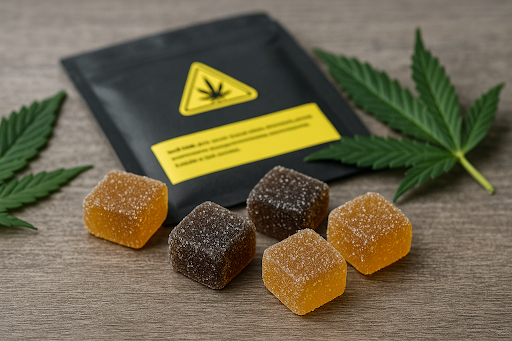
Are weed gummies actually good for anxiety, or can they make stress and anxiety disorders worse? In this article, we explain how cannabis edibles (including CBD gummies) influence anxiety. We'll explore what public-health and clinical sources say, why dose and potency matter, and what you should know before trying them.
This content is for adults in Canada. It’s non-medical education, not a substitute for professional care, diagnosis, or treatment. If you have a diagnosed social anxiety disorder, depression, or you’re using psychotherapy, continue working with your care team.
Are Cannabis Edibles a Good Treatment for Anxiety?
Some adults report calming or “softening” sensations after consuming certain cannabis products like low-THC gummies or balanced cannabidiol formats. However, others report the opposite: elevated anxiety, faster heart rate, and a feeling of losing control.
If you believe cannabis edibles might be appropriate as part of managing anxiety under medical supervision, the lawful pathway in Canada is through a medical document issued by a licensed healthcare practitioner. One option patients explore is Flodega, which supports access to medical cannabis from licensed producers in Canada.
What Determines Whether Medical Cannabis Edibles Work?
The same cannabinoids can produce different outcomes in different human nervous systems. Three factors drive that split:
1. Dose and Potency
A small amount of Tetrahydrocannabinol (the main psychoactive component in cannabis) may feel manageable for some adults. A higher dose can produce rapid stress escalation, racing thoughts, and even panic. This is sometimes called a dose-response relationship.
2. Cannabinoid profile (THC vs CBD)
Some adults prefer CBD (cannabidiol), which is also derived from hemp in certain markets. In Canada, CBD is still regulated as cannabis. In Canada, adults should stay aware of federal regulations and avoid assuming U.S.-style rules apply here.
3. Individual Variables
The following factors influence how someone may respond:
Body chemistry
Sex differences
Past stress exposure
Underlying anxiety disorders
Other health conditions:
Heart disease
Diabetes
Chronic obstructive pulmonary disease
Heart arrhythmia
Prior stroke
Concurrent meds such as Xanax (alprazolam)
Public-health messaging from groups like the World Health Organization and Health Canada consistently warns that cannabis can also trigger or worsen anxiety, confusion, or panic—especially in high-THC contexts, or in younger people whose brain development is still underway.
It can also contribute to or worsen cannabis use disorder in some individuals, and heavy, high-THC exposure has been linked with psychotic disorders in vulnerable populations. If you have a personal or family history of psychosis, talk to a clinician first.
How Medical Access to Cannabis Edibles Generally Works
Clinical assessment: A physician or other authorized healthcare practitioner evaluates whether medical cannabis is appropriate for your condition and circumstances. Only a clinician can decide this.
Medical document (authorization): If appropriate, the practitioner issues a medical document (often colloquially called a “medical cannabis prescription”). It specifies authorization details (e.g., period of use).
Register with a licensed seller: Patients can register with a licensed seller to obtain cannabis products (including cannabis edibles) that are produced by licensed producers and accompanied by lab test results and regulated labeling.
Ongoing support: Licensed sellers typically provide account setup, order fulfillment, and customer support; your dose, product selection (e.g., CBD gummies, balanced formats), and any changes should be guided by your healthcare practitioner.
Weed for Anxiety: CBD, Low-THC & Medical Cannabis Explained
How Cannabis Edibles Work in the Body
When you eat cannabis edibles — for example, weed gummies, cookies, brownies, or other candies formulated with cannabinoids — you’re ingesting compounds from the cannabis sativa plant. Those cannabinoids (including THC and CBD) are processed through digestion and the liver before circulating in the body. This pathway is called first-pass metabolism, and it affects timing.
Timing/Onset
Edibles usually do not start acting in seconds. Many adults report first noticeable effects after 30–120 minutes. That “slow start” is one reason accidental overconsumption happens: people think nothing is happening, take more, and then both doses “stack.”
Duration
Edible effects may last several hours. That longer tail is important for people who experience anxious thinking or panic, as the uncomfortable period can feel like it’s “taking forever.”
Differences in Cannabinoids
THC primarily binds to CB1 receptors in the brain—regions involved in attention, memory, and threat detection. Through this pathway, THC is reported to alter perception and mood.
CBD does not produce intoxication and appears to modulate several systems, including serotonin (5-HT1A) signaling and aspects of endocannabinoid tone.
THC, CBD, and “Balanced” Profiles in Weed Gummies & Candy
THC/Tetrahydrocannabinol Gummies
THC (often listed as THC (delta9-tetrahydrocannabinol) or delta-9-tetrahydrocannabinol) is the primary intoxicating cannabinoid in recreational cannabis. It’s responsible for the classic “high,” altered sensory perception, and sometimes intense self-focus that can tip into spiraling worry in anxiety-prone adults.
High-THC formats (high milligrams per piece) can also increase the chance of “too much too fast,” which may feel like a racing heart, disorientation, or “psychedelic” style perceptual shifts. Those shifts can feel extremely uncomfortable if you’re already managing anxiety.
CBD/Cannabidiol Gummies
CBD gummies and other CBD-forward cannabis products are often positioned as calm-supporting. You’ll see terms like full-spectrum CBD, broad-spectrum CBD, CBD isolate, or full-spectrum gummies used in wellness products. In Canada, CBD is still regulated as cannabis. Even products marketed as “hemp-derived” in other jurisdictions fall under cannabis rules here.
Reading Labels, COAs, and Lab Test Results
When you look at a legal edible in Canada (whether it’s described as a gummy, a piece of infused chocolate, or a baked item), you’ll typically see:
Declared THC (total Tetrahydrocannabinol) and CBD (cannabidiol) per unit and per package (this is essential for understanding potency).
Ingredient list and allergen info.
A standardized cannabis symbol and health warning messaging about impairment and mental health risks, which can include anxiety and mood changes.
Batch/lot information and sometimes a QR code or link to lab test results.
This gives you a way to confirm the presence of cannabinoids, confirm if there are potential contaminants, and understand how strong a single unit is. It also helps to verify authenticity in a legal retail channel versus something unregulated or homemade.
We encourage adults to look at those details, especially if they’re worried about drug testing at work or if they’re sensitive to chemical substances (for example, artificial flavours, sweeteners, or allergenic ingredients). Always follow the manufacturer’s recommendation on serving size and read the provincial health warning.
Medical Weed Gummies for Anxiety in Canada
Under Canada’s regulatory framework, only a clinician can decide if medical cannabis is appropriate for anxiety disorders, including post-traumatic stress disorder (PTSD). Because edible effects build slowly and last longer, a medical channel emphasizes proper dosage and timing to reduce “stacking.”
Medical supply emphasizes lab test results, clear potency per unit, and the manufacturer’s recommendation—useful when anxiety fluctuates and you’re trying to understand how your body may respond.
Medical access doesn’t turn gummies into a guaranteed solution for anxiety, but it adds the right guardrails—clinician guidance, verified labeling, and cautious interpretation of clinical studies—so adults can make informed, low-risk decisions about medical cannabis edibles in Canada.
Medical Cannabis Prescriptions & Licensed Products in Canada: FAQs
-
In Canada, you need a medical document (authorization) from a licensed healthcare practitioner—not a brand—to access medical cannabis edibles. A clinician decides if cannabis is appropriate for your situation and outlines the authorization period.
-
After you receive a medical document, you register with a licensed seller that sources from licensed producers. Your orders are then fulfilled through that medical channel, not recreational shops. Medical suppliers provide regulated packaging, lab test results/COAs, and customer support.
-
Look for: the standardized cannabis symbol, THC/CBD per unit and per package, batch/lot number, expiry, and a QR/link to COA results. Licensed products undergo quality controls that unregulated goods don’t. If COAs or label specifics are missing, reconsider the product.