How to Quit Smoking Cannabis | Practical Steps & Support
Trying to quit smoking cannabis? This guide walks you through what to expect (common withdrawal symptoms and timelines), how to choose between tapering and cold turkey, practical tools for cravings and anxiety, and where to find support in Canada.
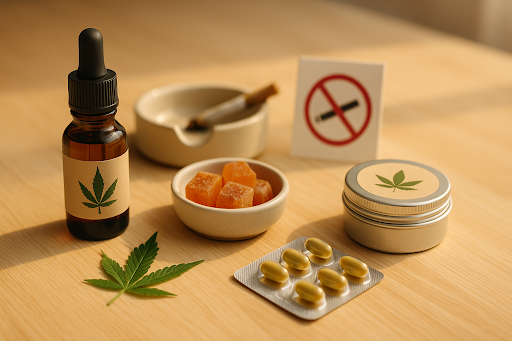
We also outline smoke-free alternatives (e.g., edible gummies, oils, topicals) and how medical access works for those who wish to stop smoking but are willing to try cannabis as a potential treatment.
This article is adult-only, educational content, and not medical or legal advice. Cannabis affects people differently and may interact with medications or worsen certain mental-health or cardiovascular conditions. Always consult a qualified healthcare professional before starting, stopping, or changing cannabis use, and for guidance on withdrawal, tapering, or non-smoked formats.
Is Marijuana Addictive?
Yes—marijuana (cannabis) can be addictive for some people. Clinicians call it Cannabis Use Disorder (CUD).
Signs include:
Craving
Needing more to get the same effect (tolerance)
Using more/longer than intended
Trouble cutting down
Use despite problems at work, school, or in relationships.
Withdrawal can occur after regular use—typically irritability, sleep problems, decreased appetite, anxiety, and restlessness that peak in about 2–7 days and improve over a few weeks. Risk is higher with daily/near-daily use, high-THC products, starting young, or co-occurring mental-health challenges.
What About Medical Marijuana?
Medical cannabis is accessed differently: a clinician issues a medical document (not a traditional prescription), and the patient registers with a Health Canada–authorized licensed seller that sources from licensed producers.
The medical channel adds safeguards—verified labeling and COAs, clear THC/CBD per unit, age-gated online ordering, and follow-up with your care team—plus non-smoked options (e.g., oils or edible gummies). It can help adults use cannabis more intentionally for medical purposes. Suitability, format, and ongoing monitoring should be guided by your clinician.
Quitting Cannabis Use: What to Expect
Many adults can reduce or stop cannabis use with structure: a quit date, trigger management, skills for anxiety and urges, and real-world support.
Setting Yourself Up
Pick a quit date, tell two supporters, remove triggers (stash, devices), and plan sleep, meals, and light exercise. Use simple skills for anxiety and urges (breathing drills, short walks, “urge surfing”).
The Brain & Cannabis Withdrawal Symptoms
Stopping after frequent use can unmask marijuana withdrawal: mood swings, cravings, sleep disturbance, and memory/focus dips; some notice increased anxiety. This is part of neuroadaptation reversal and usually improves with time and support.
Normal Withdrawal Timeline
Days 1–3: Rising cravings, irritability, restlessness, trouble falling asleep.
Days 4–7 (peak): Sleep disruption, vivid dreams, low concentration, appetite shifts, feeling “keyed up” (heart-rate awareness).
Weeks 2–4: Symptoms ease; energy, focus, and sleep gradually stabilize. Occasional bumps (PAWS-style dips) can occur—keep supports in place.
Helpful Supports
Brief CBT or motivational interviewing, peer meetings (e.g., Marijuana Anonymous), and check-ins with a clinician or pharmacist—especially if you’re also quitting tobacco/nicotine (consider NRT under professional guidance).
How to Quit Smoking Marijuana: Our Practical Quit Plan
1. Set Your Foundation
Pick a quit date (avoid holidays or high-stress weeks if possible).
Tell two people (trusted members of your support circle) and ask for daily check-ins.
Clear your environment: remove stash, papers, vaping devices, hash, shatter, cannabis oil; clean areas linked to your routine.
Plan your week: front-load exercise, hydration, regular meals, and earlier wind-downs for sleep.
2. Choose Taper or Cold Turkey
Tapering: Reduce frequency/amount over 1–3+ weeks; helpful if intense withdrawal symptoms or high cannabis use. Tapering might suit heavy daily cannabis use or pronounced anxiety/insomnia on previous quits. It can lower acute withdrawal and help stabilize motivation.
Cold turkey: Immediate abstinence; simpler logistics, but may spike short-term symptoms. Cold turkey is straightforward and sometimes preferred by people who struggle to moderate. Expect a sharper but shorter discomfort window
Either way, schedule daily support (texts, quick meetings, or virtual groups). You can keep a 3-line log (self-reports): use urges (0–10), mood (0–10), wins (one line).
3. Managing Cravings & Anxiety
CBT (Cognitive-behavioural therapy): Identify triggers → reframe thoughts → swap actions.
Motivational Interviewing: “What’s better now vs when I was using?” “Why is this worth it today?”
Urge surfing: Breathing drills, brisk walks, or brief exercise bursts when the craving spikes.
Sleep hygiene: Fixed bedtime, no screens late, dark/cool room; expect dreams to normalize.
Nicotine: If you also smoke tobacco, consider nicotine replacement therapies and a quit smoking plan.
4. Replace Cannabis Smoke with Lower-Risk Formats
Prefer non-combustion: If you continue cannabis, shift to edible gummies, oils, or topicals to reduce smoke exposure.
In a medical context, adults can obtain smoke-free formats from a licensed seller (Health Canada–authorized) sourcing from licensed producers; purchase requires a clinician-issued medical document.
5. Build a Safety Net
Health services: Family doctor, community medical clinic, or provincial resources.
Crisis Resources: If thoughts feel unsafe, contact local crisis lines or emergency services immediately.
Community: peer groups, twelve-step programs, or therapist-led groups.
How Stopping Marijuana Smoke Helps Your Health
Inhaling combusted marijuana exposes the lungs to smoke particulates and can contribute to cough, wheeze, bronchitis, airway inflammation, and dyspnoea. Cutting combustion reduces respiratory symptoms and overall health risks—especially if you also use tobacco products.
Quick benefits you may notice:
Easier breathing: Less cough, wheeze, and chest tightness over weeks.
Fewer infections/flare-ups: Lower risk of bronchitis-like episodes.
Better exercise tolerance: Improved stamina and recovery.
Improved sleep quality: Fewer late-night coughs and awakenings.
Cleaner cardiovascular profile: Reduced smoke-related strain on heart rate and blood pressure.
Money saved & fewer odors: Less spent on smoke supplies; clothing and home smell fresher.
Not ready for full abstinence? Shift to non-combustion formats (e.g., edible gummies, oils, topicals). For medical use, speak with a clinician and purchase through a licensed seller.
Does Pot Make You Constipated? | Weed Constipation Evidence & Relief
When to Get Professional Help for Marijuana Withdrawal
Severe or prolonged withdrawal symptoms (e.g., panic, worsening depression, suicidal thoughts, unusual agitation).
History of psychosis, high risk of schizophrenia, or new-onset confusion.
Complex medical conditions (e.g., uncontrolled blood pressure, cardiovascular disease, seizure history).
Ongoing tobacco use disorder plus heavy cannabis—combine supports.
A clinician can discuss structured psycho-social interventions, pharmacotherapy for co-occurring issues (e.g., sleep, mood), or specialty treatment admissions.
Smoke-Free Alternatives to Marijuana
Looking to avoid combustion? Here are common non-smoked formats:
Edible gummies & chocolates: Discreet, no inhalation. Expect a slower onset and longer duration. Check labels for THC/CBD per unit and review COAs (lab results).
Oils & tinctures (oral): Measured droppers make it easier to keep intake consistent. Look for carrier oil, potency, and cannabinoid profile on the package.
Capsules & softgels: Pre-measured, travel-friendly, no taste. Useful when you need repeatable intake windows.
Topicals (creams, balms): Applied to skin; non-intoxicating by design. Useful for localized applications; read ingredient lists for allergens.
If you wish to stop smoking marijuana but still wish to pursue cannabis for medical purposes, speak with your healthcare professional. When appropriate, they issue a medical document (authorization). You then register with a Health Canada–authorized licensed seller and can order regulated products (e.g., edible gummies, oils, capsules, topicals) online for delivery.
Stopping Cannabis Use & Withdrawal: Frequently Asked Questions
-
There’s no one approved “detox pill” for cannabis withdrawal. Clinicians may address specific withdrawal symptoms (e.g., sleep or anxiety) and co-occurring issues using individualized pharmacotherapy. Routine care relies on behavioural supports (CBT) plus safety checks for medications you already take. Ask your doctor about evidence-based treatment options.
-
PAWS (post-acute withdrawal syndrome) refers to intermittent dips in mood, concentration, or motivation weeks after acute symptoms fade. Tools that help: brief CBT, structured routines, sleep hygiene, exercise, and peer support.
-
Yes. Like tobacco smoking, second-hand cannabis smoke carries particulates linked to airway inflammation, cough, wheeze, and respiratory symptoms. Reducing indoor smoking lowers exposure for household members and supports lung recovery.
-
If possible, avoid holidays or weeks with heavy triggers. Build a personal environment plan: remove products, schedule sober activities, and line up recovery meetings. If you must quit now, increase support (daily check-ins, brief coaching, or a therapist).
-
Consider rehab or specialty programs for severe marijuana addiction/dependence, repeated relapses, medical risks, or complex mental health needs. Ask about intake assessment phases, safety monitoring, and aftercare.